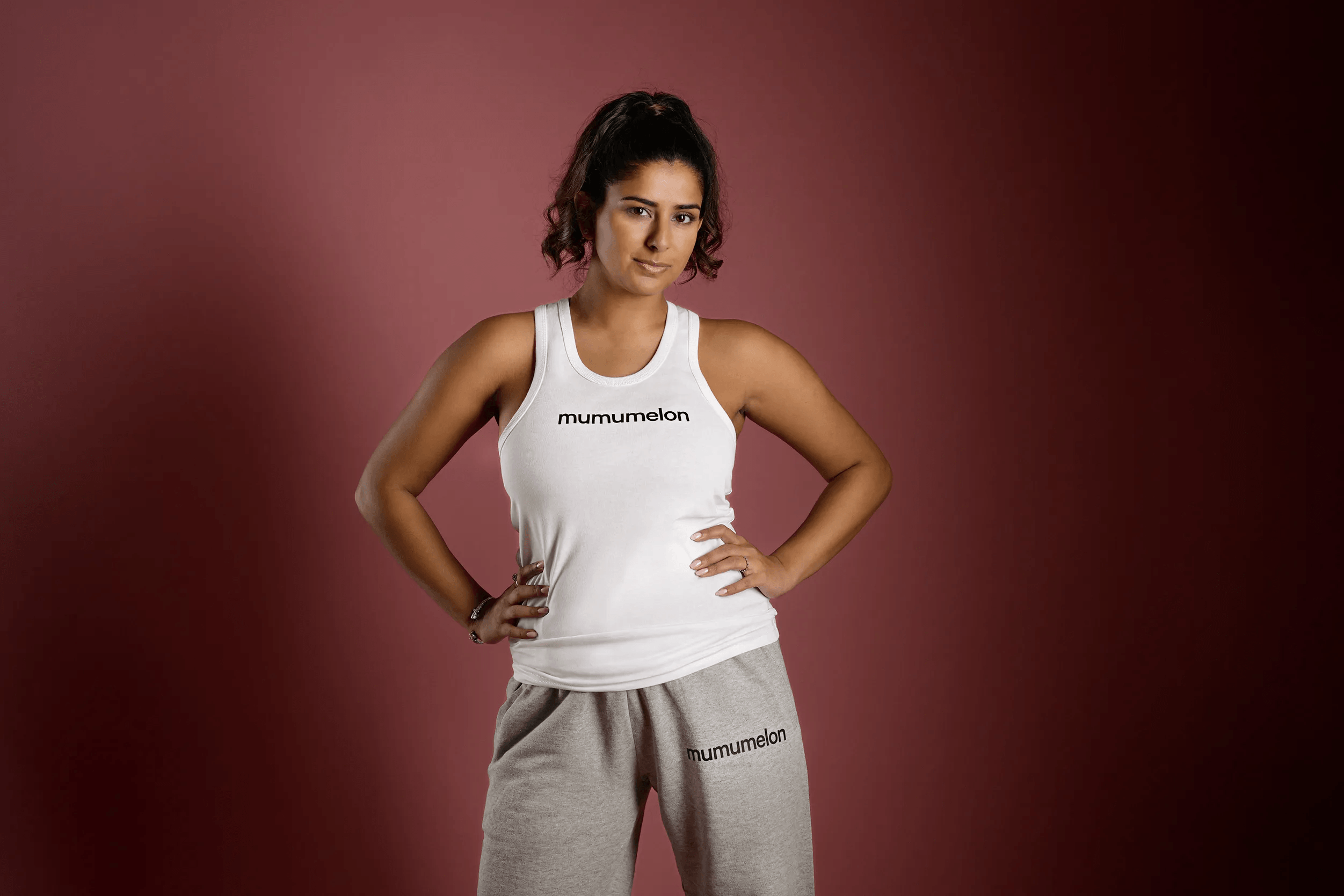
In late March, a boutique appeared on London’s Marylebone High Street near Lululemon. At first glance, it looked like another luxury athleisure store, but on closer inspection, Mumumelon revealed itself to be none other than: a deliberate, shameless dupe emporium.
A shop featuring the most iconic brand dupes of its much more famous competitor, and in effect, a middle aisle Lululemon.
Launched by climate activists Action Speaks Louder and Serious People, designed to expose the environmental impact of the global fashion industry and its lack of meaningful action, the clothes were perfect visual copies of Lululemon leggings, their signature thing, hoodies, and an array of other items. All were produced in radically different conditions via factories powered by 100% green energy from wind and solar, and where workers receive a living wage.
The point being that the genuinely high-quality pieces, despite reporting suggesting the pop-up stock itself was not sold to the public, were designed in just a few short weeks. This offered a stark comparison. The ability to do this stuff is far from impossible and, in fact, a choice.
Impact was immediate, sending ripples of giggles mixed with concern and inspiring deeper thought about Lululemon’s climate record. By choosing a spot where some of the brand’s core fans and some of the most well-to-do were, it forced Lululemon’s climate ambitions and a fossil-fuel-dependent supply chain into the public eye. Yoga influencers and people on the street struggled to ignore it.
And the fact that influencers, in some cases, were tagging the official brand and social handles to show their total dissatisfaction eventually got the big bosses out of their plush offices. This led to a dialogue with the activists to understand their demands. It was a grassroots-level backlash that gave fresh fuel to the Canadian Competition Bureau’s existing investigation into Lululemon’s Be Planet approach.
The company faces hefty fines. If found in breach, all penalties could reach the greater of $10 million, three times the benefit derived, or 3% of annual worldwide gross revenue.
Mumumelon is a masterclass in culture jamming, brand parody, and showing rather than telling.
Instead of relying on abstract reports and dry data, the Action Speaks Louder folks were true to their name. They created a tangible way for consumers to touch and wear, whilst strategically leaning into the viral phenomenon of dupe culture to make a larger point. By mocking the brand’s wellness manifesto while also offering a superior alternative, they strike right at the heart of the value proposition that millions of consumers buy into. In doing so, they dismantle it.
To really hammer the point home: the pop-up wasn’t the whole thing. It was the platform to deliver a detailed plan for how the company could transition to industrial heat pumps. It would also offer suppliers financing to make their supply chains a bit greener.
All of this holds a mirror up to a public that is increasingly intolerant and impatient with corporate sustainability claims that lack tangible action. Brands that set their stall out on conscious living and self-awareness are especially exposed. There is an irony here. There is also a need for even greater credible accountability, especially in the fashion sector.